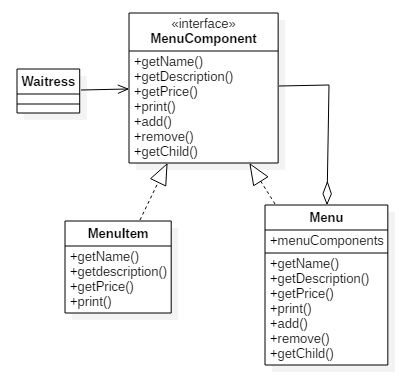
日常开发过程过程中。树形结构运用的非常频繁。
例如:公司组织结构、各种分类结构、分组结构等等。


SET FOREIGN_KEY_CHECKS = 0;CREATE TABLE IF NOT EXISTS `tbl_sapo_group` ( `id` int(10) unsigned NOT NULL AUTO_INCREMENT COMMENT '主键', `code` varchar(100) NOT NULL COMMENT '唯一编码', `create_time` datetime(3) NOT NULL COMMENT '创建时间', `last_update_time` datetime(3) DEFAULT NULL COMMENT '最后更新时间', `name` varchar(255) NOT NULL COMMENT '名称', `detail` varchar(255) DEFAULT NULL COMMENT '详情', `status` int(10) unsigned NOT NULL DEFAULT 2 COMMENT '状态:0-无效,1-有效,2-编辑', `group_type` varchar(100) NOT NULL COMMENT '组类型', PRIMARY KEY (`id`), UNIQUE KEY `uni_idx_group_code` (`code`), KEY `idx_group_group_type` (`group_type`), CONSTRAINT `fk_group_group_type` FOREIGN KEY (`group_type`) REFERENCES `tbl_sapo_group_type` (`code`)) ENGINE=InnoDB DEFAULT CHARSET=utf8 COMMENT='组';CREATE TABLE IF NOT EXISTS `tbl_sapo_group_rel` ( `id` int(10) unsigned NOT NULL AUTO_INCREMENT COMMENT '主键', `create_time` datetime(3) NOT NULL COMMENT '创建时间', `last_update_time` datetime(3) DEFAULT NULL COMMENT '最后更新时间', `parent_code` varchar(100) NOT NULL COMMENT '父节点代码,tbl_sapo_group表code', `child_code` varchar(100) NOT NULL COMMENT '子节点代码,tbl_sapo_group表code', `status` int(10) unsigned NOT NULL DEFAULT 2 COMMENT '状态:0-无效,1-有效,2-编辑', `group_rel_type` varchar(100) NOT NULL COMMENT '组关系类型代码,来自tbl_sapo_group_rel_type表code', `tree_code` varchar(100) NOT NULL COMMENT '树节点代码,tbl_sapo_tree表code', PRIMARY KEY (`id`), KEY `idx_group_rel_child_code` (`child_code`), KEY `idx_group_rel_parent_code` (`parent_code`), KEY `idx_group_rel_group_rel_type` (`group_rel_type`), KEY `idx_group_rel_tree_code_status_parent_code_child_code` (`tree_code`,`status`,`parent_code`,`child_code`), CONSTRAINT `fk_group_rel_child_code` FOREIGN KEY (`child_code`) REFERENCES `tbl_sapo_group` (`code`), CONSTRAINT `fk_group_rel_group_rel_type` FOREIGN KEY (`group_rel_type`) REFERENCES `tbl_sapo_group_rel_type` (`code`), CONSTRAINT `fk_group_rel_parent_code` FOREIGN KEY (`parent_code`) REFERENCES `tbl_sapo_group` (`code`), CONSTRAINT `fk_group_rel_tree_code` FOREIGN KEY (`tree_code`) REFERENCES `tbl_sapo_tree` (`code`)) ENGINE=InnoDB DEFAULT CHARSET=utf8 COMMENT='组关系';CREATE TABLE IF NOT EXISTS `tbl_sapo_group_rel_type` ( `id` int(10) unsigned NOT NULL AUTO_INCREMENT COMMENT '主键', `code` varchar(100) NOT NULL COMMENT '唯一编码', `create_time` datetime(3) NOT NULL COMMENT '创建时间', `last_update_time` datetime(3) DEFAULT NULL COMMENT '最后更新时间', `name` varchar(255) NOT NULL COMMENT '名称', `detail` varchar(255) DEFAULT NULL COMMENT '详情', `status` int(10) unsigned NOT NULL DEFAULT 2 COMMENT '状态:0-无效,1-有效,2-编辑', PRIMARY KEY (`id`), UNIQUE KEY `uni_idx_group_rel_type_code` (`code`)) ENGINE=InnoDB DEFAULT CHARSET=utf8 COMMENT='组关系类型';CREATE TABLE IF NOT EXISTS `tbl_sapo_group_type` ( `id` int(10) unsigned NOT NULL AUTO_INCREMENT COMMENT '主键', `code` varchar(100) NOT NULL COMMENT '唯一编码', `create_time` datetime(3) NOT NULL COMMENT '创建时间', `last_update_time` datetime(3) DEFAULT NULL COMMENT '最后更新时间', `name` varchar(255) NOT NULL COMMENT '名称', `detail` varchar(255) DEFAULT NULL COMMENT '详情', `status` int(10) unsigned NOT NULL DEFAULT 2 COMMENT '状态:0-无效,1-有效,2-编辑', PRIMARY KEY (`id`), UNIQUE KEY `uni_idx_group_type_code` (`code`)) ENGINE=InnoDB DEFAULT CHARSET=utf8 COMMENT='组类型';CREATE TABLE IF NOT EXISTS `tbl_sapo_tree` ( `id` int(10) unsigned NOT NULL AUTO_INCREMENT COMMENT '主键', `code` varchar(100) NOT NULL COMMENT '唯一编码', `create_time` datetime(3) NOT NULL COMMENT '创建时间', `last_update_time` datetime(3) DEFAULT NULL COMMENT '最后更新时间', `name` varchar(255) NOT NULL COMMENT '名称', `detail` varchar(255) DEFAULT NULL COMMENT '详情', `status` int(10) unsigned NOT NULL DEFAULT 2 COMMENT '状态:0-无效,1-有效,2-编辑', PRIMARY KEY (`id`), UNIQUE KEY `uni_idx_tree_code` (`code`)) ENGINE=InnoDB DEFAULT CHARSET=utf8 COMMENT='树定义';CREATE TABLE IF NOT EXISTS `tbl_sapo_tree_group` ( `id` int(10) unsigned NOT NULL AUTO_INCREMENT COMMENT '主键', `create_time` datetime(3) NOT NULL COMMENT '创建时间', `last_update_time` datetime(3) DEFAULT NULL COMMENT '最后更新时间', `group_code` varchar(100) NOT NULL COMMENT '组代码,tbl_sapo_group表code', `tree_code` varchar(100) NOT NULL COMMENT '树代码,tbl_sapo_tree表code', `status` int(10) unsigned NOT NULL DEFAULT 2 COMMENT '状态:0-无效,1-有效,2-编辑', `is_root` int(10) unsigned DEFAULT NULL COMMENT '是否根节点:1-根节点,null非根节点', PRIMARY KEY (`id`), UNIQUE KEY `uni_idx_tree_group_tree_code_is_root` (`tree_code`,`is_root`), KEY `idx_tree_group_group_code` (`group_code`), CONSTRAINT `fk_tree_group_group_code` FOREIGN KEY (`group_code`) REFERENCES `tbl_sapo_group` (`code`), CONSTRAINT `fk_tree_group_tree_code` FOREIGN KEY (`tree_code`) REFERENCES `tbl_sapo_tree` (`code`)) ENGINE=InnoDB DEFAULT CHARSET=utf8 COMMENT='树包含的组';SET FOREIGN_KEY_CHECKS = 1;
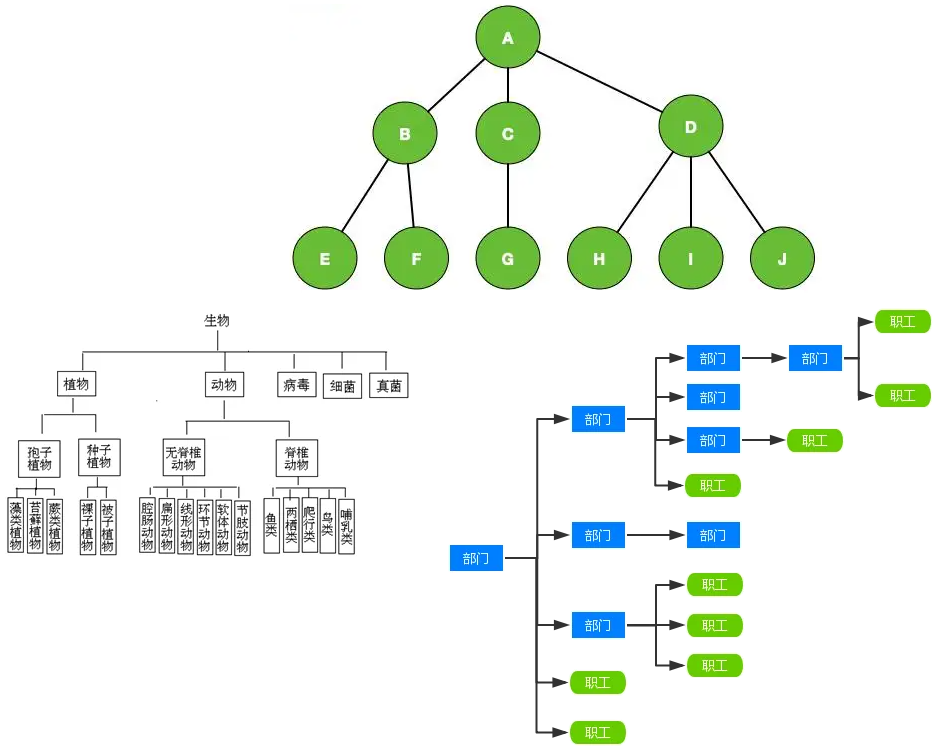
如图所示关系型数据库模型,基本满足一个系统多颗树、组可以复用的目的。
树的节点可能是一个单独的节点,也可能是一个子树的根。我们需要遍历的时候需要不同节点不同处理,使用【多态】。
但是处理的时候不要区分是何种节点,提供一种【透明化】处理方式,要实现需要引用两个模式:迭代模式、组合模式
老规矩,先引入概念,之后实现。
| 迭代器模式 | 提供一个方式来遍历集合而无需暴露集合的实现 |
| 组合模式 | 客户可以将对象的集合以及个别对象一视同仁 |
迭代器模式:
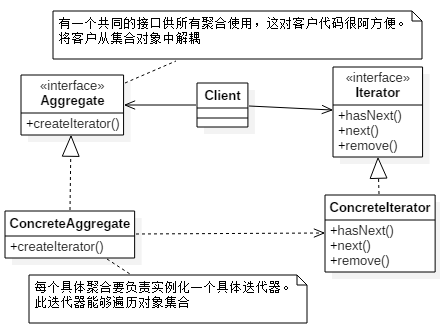
| 迭代器示例:数组实现迭代器
// 迭代器接口interface Iterator { boolean hasNext(); Object next();}// 菜单项class MenuItem { String name; String description; boolean vegetarian; double price; public MenuItem(String name, String description, boolean vegetarian, double price) { this.name = name; this.description = description; this.vegetarian = vegetarian; this.price = price; } // getter,setter方法 public String getName() { return name; }}// 菜单class DinerMenu { static final int MAX_ITEMS = 6; int numberOfItems = 0; MenuItem[] menuItems; public DinerMenu() { menuItems = new MenuItem[MAX_ITEMS]; addItem("红烧狮子头", "江南名菜", true, 50d); addItem("夫妻肺片", "和夫妻没啥关系", true, 70d); } public void addItem(String name, String description, boolean vegetarian, double price) { MenuItem menuItem = new MenuItem(name, description, vegetarian, price); if (numberOfItems >= MAX_ITEMS) { System.out.println("sorry,menu is full"); } else { menuItems[numberOfItems] = menuItem; numberOfItems += 1; } } public MenuItem[] getMenuItems() { return menuItems; } public Iterator createIteator() { return new DinerMenuIterator(menuItems); }}class DinerMenuIterator implements Iterator { MenuItem[] items; int position = 0; public DinerMenuIterator(MenuItem[] items) { this.items = items; } public Object next() { MenuItem menuItem = items[position]; position = position + 1; return menuItem; } public boolean hasNext() { // 数组可能没装满 if (position >= items.length || items[position] == null) { return false; } else { return true; } } public void remove() { if (position <= 0) { throw new IllegalStateException("you can't an item unitl you've done at least on next()"); } if (items[position - 1] != null) { for (int i = position - 1; i < (items.length - 1); i++) { items[i] = items[i + 1]; } items[items.length - 1] = null; } }}// 测试class Test { public static void main(String[] args) { Iterator iterator = (new DinerMenu()).createIteator(); while(iterator.hasNext()){ MenuItem menuItem = (MenuItem) iterator.next(); System.out.println(menuItem.getName()); } }}迭代器模式示例 1.当然remove可以不实现,因为可能并发remove,迭代器不安全。 我们简单处理抛出java.lang.UnsupportedOperationException 2.java5之后,集合可以使用for/in形式代替了显示的创建迭代器。 for( Object obj: collection){ } |
对于不同的集合,我们有不同的遍历方式。有没有一种通用的遍历集合的模式,屏蔽这种差异,该模式就是迭代器。
迭代器模式提供一种方法顺序访问一个聚合对象中的各个元素,而不暴露其内部的表示。
其实说白了,迭代器模式就是通过定义统一操作接口,来屏蔽不同底层的操作逻辑。
如果你能有一个统一的方法访问聚合中的每一个对象,你就可以编写多态的代码和这些聚合搭配。
把游走的任务放在迭代器上,而不是聚合上。这样简化了聚合的接口和实现。责任分配明晰。
符合【单一职责】,如果不使用迭代器模式,集合改变的话,例如由集合变数组,这个类必须改变,遍历方式也跟着改变。
组合模式:
允许你将对象组合成树形结构来表现“整体/部分”层次结构。
组合能让客户以一致的方式处理个别对象以及对象组合。即我们可以忽略对象组合和个别对象之间的差别,而使用相同操作。
组合模式牺牲【单一责任】获取【透明性】,透明性即客户处理组合和叶节点一视同仁。一个节点是组合还是叶节点,对客户是透明的。
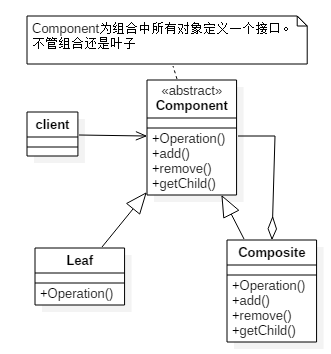
| 组合模式示例:
public abstract class MenuComponent { // 操作节点需要方法 public void add(MenuComponent menuComponent) { throw new UnsupportedOperationException(); } public void remove(MenuComponent menuComponent) { throw new UnsupportedOperationException(); } public MenuComponent getChild(int i) { throw new UnsupportedOperationException(); } // 菜单本身方法 public String getName() { throw new UnsupportedOperationException(); } public String getDescription() { throw new UnsupportedOperationException(); } public double getPrice() { throw new UnsupportedOperationException(); } public boolean isVegetarian() { throw new UnsupportedOperationException(); } public void print() { throw new UnsupportedOperationException(); }} public class Menu extends MenuComponent { ArrayList<MenuComponent> menuComponents = new ArrayList<MenuComponent>(); String name; String description; public Menu(String name, String description) { this.name = name; this.description = description; } public void add(MenuComponent menuComponent) { menuComponents.add(menuComponent); } public void remove(MenuComponent menuComponent) { menuComponents.remove(menuComponent); } public MenuComponent getChild(int i) { return (MenuComponent) menuComponents.get(i); } public String getName() { return name; } public String getDescription() { return description; } public void print() { System.out.print("\n" + getName()); System.out.println(", " + getDescription()); System.out.println("---------------------"); Iterator<MenuComponent> iterator = menuComponents.iterator(); while (iterator.hasNext()) { MenuComponent menuComponent = (MenuComponent) iterator.next(); menuComponent.print(); } }} public class MenuItem extends MenuComponent { String name; String description; boolean vegetarian; double price; public MenuItem(String name, String description, boolean vegetarian, double price) { this.name = name; this.description = description; this.vegetarian = vegetarian; this.price = price; } public String getName() { return name; } public String getDescription() { return description; } public double getPrice() { return price; } public boolean isVegetarian() { return vegetarian; } public void print() { System.out.print(" " + getName()); if (isVegetarian()) { System.out.print("(v)"); } System.out.println(", " + getPrice()); System.out.println(" -- " + getDescription()); }} public class Waitress { MenuComponent allMenus; public Waitress(MenuComponent allMenus) { this.allMenus = allMenus; } public void printMenu() { allMenus.print(); }}
|
示例:
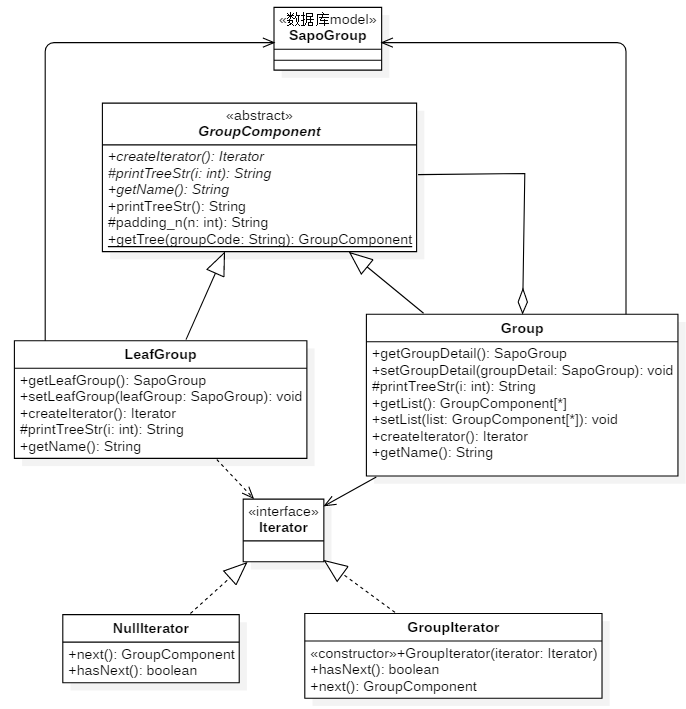
使用迭代和组合模式实现一种通用的树形结构:
1.核心及组和组的关系。
2.该方案实现了,内部迭代器和外部迭代器。根据实际情况使用。

| 
|
public abstract class GroupComponent { public abstract Iterator<GroupComponent> createIterator(); // 首行字符空几格 protected abstract String printTreeStr(int i); public abstract String getName(); public String printTreeStr() { return printTreeStr(0); }; // 打印树形解结构 protected String padding_n(int n) { StringBuffer space = new StringBuffer(""); for (int i = 0; i < n; i++) { space.append("-"); } space.append("|"); return space.toString(); } // 递归获取树形结构 public static GroupComponent getTree(String groupCode) { // 获取通用dao CommonDao dao = SpringUtil.getBean(CommonDao.class); // 数据库中组详细信息model类 SapoGroup sapoGroup = dao.getObj(SapoGroup.getInstance().setCode(groupCode)); // 查询该节点所有儿子 List<SapoGroupRel> childList = dao.getObjListWithEmpty(SapoGroupRel.getInstance().setParentCode(groupCode)); // 如果没有子节点,直接新建叶子节点返回 if (childList == null || childList.size() == 0) { LeafGroup leafGroup = new LeafGroup(); leafGroup.setLeafGroup(sapoGroup); return leafGroup; } else { // 如果有子节点 Group group = new Group(); group.setGroupDetail(sapoGroup); for (SapoGroupRel rel : childList) { // 递归拿到上一个节点 GroupComponent child = getTree(rel.getChildCode()); group.getList().add(child); } return group; } }}
public class Group extends GroupComponent { Iterator<GroupComponent> iterator = null; public List<GroupComponent> list = new ArrayList<GroupComponent>(); public SapoGroup groupDetail; public SapoGroup getGroupDetail() { return groupDetail; } public void setGroupDetail(SapoGroup groupDetail) { this.groupDetail = groupDetail; } /* * 打印树形层级结构 */ protected String printTreeStr(int i) { // 需要打印的字段 String waitPrintStr = this.groupDetail.getName(); StringBuilder sb = new StringBuilder(); sb.append(padding_n(i)); sb.append(waitPrintStr); sb.append("\r\n"); Iterator<GroupComponent> iterator = list.iterator(); while (iterator.hasNext()) { GroupComponent next = iterator.next(); // 递归进行遍历 String printTree = next.printTreeStr(i + 2); sb.append(printTree); } return sb.toString(); } public List<GroupComponent> getList() { return list; } public void setList(List<GroupComponent> list) { this.list = list; } @Override public Iterator<GroupComponent> createIterator() { if (iterator == null) { iterator = new GroupIterator(list.iterator()); } return iterator; } @Override public String getName() { return "list: " + groupDetail.getName(); }}
public class LeafGroup extends GroupComponent { private SapoGroup leafGroup; public SapoGroup getLeafGroup() { return leafGroup; } public void setLeafGroup(SapoGroup leafGroup) { this.leafGroup = leafGroup; } public Iterator<GroupComponent> createIterator() { return new NullIterator(); } protected String printTreeStr(int i) { // 关键字段 String waitPrintStr = this.getLeafGroup().getName(); return padding_n(i) + waitPrintStr + "\r\n"; } /* (non-Javadoc) * @see cn.com.fmsh.nfcos.sapo.biz.testGroup.GroupComponent#getName() */ @Override public String getName() { return "leaf: "+leafGroup.getName(); }}
public class GroupIterator implements Iterator<GroupComponent> { Stack<Iterator<GroupComponent>> stack = new Stack<Iterator<GroupComponent>>(); public GroupIterator(Iterator<GroupComponent> iterator) { stack.push(iterator); } public boolean hasNext() { if (stack.isEmpty()) { return false; } else { Iterator<GroupComponent> iterator = stack.peek(); if (!iterator.hasNext()) { stack.pop(); return hasNext(); } else { return true; } } } public GroupComponent next() { if(hasNext()) { Iterator<GroupComponent> iterator = stack.peek(); GroupComponent next = iterator.next(); stack.push(next.createIterator()); return next; }else { return null; } }}
public class NullIterator implements Iterator<GroupComponent> { public GroupComponent next() { return null; } public boolean hasNext() { return false; } }
测试程序,遍历树形结构、打印树形结构。
@Test public void Test() { // 使用外部迭代器遍历 GroupComponent tree = Group.getTree("hotel"); Iterator<GroupComponent> iterator = tree.createIterator(); while (iterator.hasNext()) { GroupComponent next = iterator.next(); // TODO 遍历操作内容 } System.out.println("----打印树形结构-----"); // 打印树形结构 System.err.println(GroupComponent.getTree("hotel").printTreeStr()); }

本文来自博客园,作者:wanglifeng,转载请注明原文链接:https://www.cnblogs.com/wanglifeng717/p/16363485.html